Mountains, Gandalf!

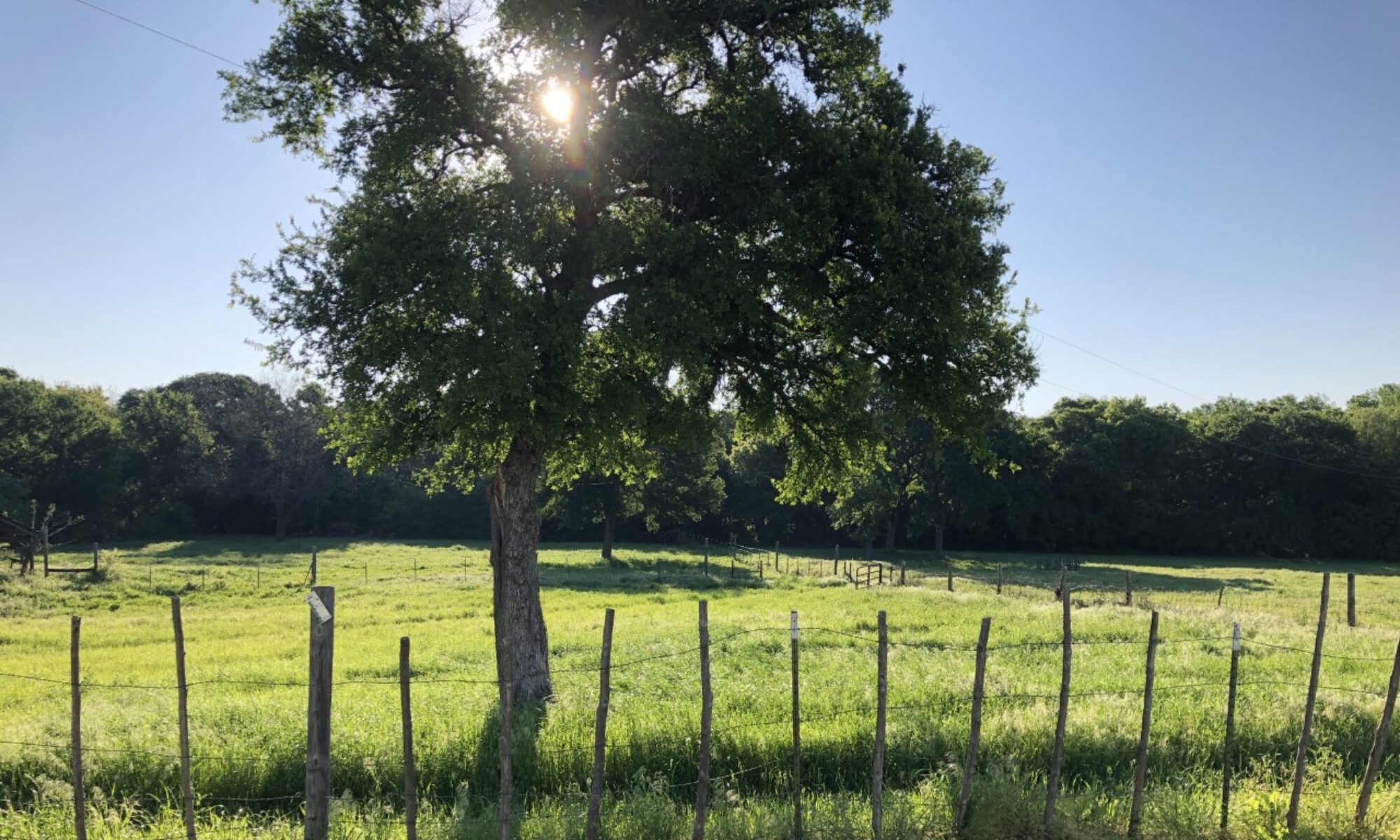
It’s the time of year where baby goats become full tilt adolescent goat kids. They want all the humans remember they are descendants of the mountain folk. “Mountains, Gandalf, I want to see Mountains!” is the spirit. These hoofs are perfectly suitable for climbing on everything. These heads are great for pushing through fencing. 

Look maaa, no hands!

We set about weaning them at ninety days. That means the fencing between the nannies and the kids must be near water tight. This year that required repair and replacement. Old fencing doesn’t handle goat curiosity well and you notice it when they escape. The kids claim they want to help with the fence. I think they just want to play on it.

New fence to the left, running batches behind this scene to the right.

It’s been a curious spring for the flock guardian Sullivan. He had a wound show up on the top of his head, not clear what it’s from. No other marks of an altercation on his body. But he can’t keep the top of his head clean with his tongue and he was absolutely not going to let the other guardian Ashok touch it.

The wound is real

We brought him inside to manage the healing more directly. His preferred path of care was to scratch the scabs off and whimper about it. When we tried to apply some medication, it didn’t go well, very aggressive response. So, for the first time in my life, I bought a muzzle and put it on my dog. That made a pair of unpleasant treatment sessions. After the second go round, he realized we were helping and could proceed without the muzzle.

It was a problem with our equipment planning that we did not have a muzzle to work with. Nor did we have a cone to put on him. Now we have both and lesson learned.

He wears the cone!

This spring is different from last spring. A triple amount of rainfall means far more plant growth means more insects. There is a caterpillar here that is extremely painful to the touch. They are showing back up after an absence last year. I took a picture of his one, curiously enough, burrowing a hole in some Great Stuff foam in my shop wall.

A Stegosaurus Caterpillar?

Also, if you ever jam a two foot stick into a hose about 2 feet deep, you can get it out by drilling a pilot hole and running a screw into it. Lock the hose end into a vise and pull out with pliers.

Mission accomplished
The solution

Grass Circles

Because of the drought this summer, we fed hay out in the pasture. It is a tradeoff because it is more work to move the hay out into the pasture compared to barn feeding.

We hoped this would convert a localized area into improved pasture. Make the cows busy stomping dropped hay and manure into the soil. That would build up the organic matter and fertility in the top soil and take a scrub piece of pasture into a prime piece of pasture. Maybe.

We didn’t see results over the summer, no rain to make anything change. We did start to see results in the deep fall after some rain.

It was different then we expected. The hay bales we placed in the summer that had summer grass, called second cutting, had some stray germination in the summer then nothing in the fall. The bales which were spring cutting, first cut, germinated like a dream.

Multiple locations of first cut hay turned into good pasture patches. The winter grass seed seems to have carried through into an ideal planting environment. I am hoping this has a cascade of fertility in these locations and begins a seed bank and water retention year after year.

In the final review, moving the bales out to the pasture is a good fertility improver and we’ll do it as much as we can over the winter.

The Grass Can Always Be Greener

We keep the chickens in a mobile coop. We move it everyday. It means new grass for chickens, protection from predators, and eggs always where they belong. Also, they fertilize the grass.

This past year we ran an experiment where the chicken tractors spent most of their time in the yard. The hypothesis is that more fertilizer on the lawn encourages grass growth. Grass growing blocks the stickers from ruining all barefoot activities.

Year 1 was a partial success. There was at least a 50% reduction in time of stickers wrecking the place. The peak season was still just a numerous, but the duration was shortened by weeks on the front and the back ends.

Sometimes you just look at a historical path of chickens in tractors and say wow. This stretch of green patches in the pasture is one of these. The closest patch in the foreground was where the chickens spent a day about 3 weeks ago, and each patch moving away is one subsequent day less, with a u turn at the end. You can see the start of the green shading in front of Jenny coming back to the right.

Next year we’re going to try and run meat chickens in larger numbers in a pasture, and I’m interested to see what grass acceleration we can get from them that the cows can harvest with stronger grass growth on a marginal area.

A Pepper, A Blue, Them Chicken Gardeners

New puppy. Kitten is now a cat. Chickens prepare a garden bed. Conflict around the house.

If you can say Pepper with German inflection, let me know

Pepper the puppy has joined the household. She’s west German working line and comes from friends who raise dogs with effective even hands. I’ve been around many dogs and raised my own. This little pepper girl is incredibly intelligent and managed potty training before 4 months old. She has a bright future here with the family.

Some friends did some minimizing in life and eliminated their chicken setup. We were happy to make a win win deal and bring it home. Now it is set up for winter. The plan is to add high carbon materials like grass clippings, hay and wood chips to the ground. The chickens will poop on it and then use their feet to claw and turn the chips.

Carbon+nitrogen+biome= soil. Come spring, we’ll take this down and plant seeds for a garden in the prepared bed. That’s the theory, anyways.

…I see skies with Blue…

Blue the kitten has grown to Blue the cat. He has worked out how to climb the coop and hunt the chickens inside. He’s very pleased with his little lion king self. I’ll have to add a roof segment or netting.

Little lions love observation

Pepper and Blue have not come to terms yet. Hissing and barking abound in my shop when I forget to shut the door. But I’m optimistic they will become friendly, the other cats and dogs all get along just fine.

Chicken Tractor Refurbished

We moved all the hens into the A-frame chicken tractor, and we have some chicks who need a new home out on the grass. While our original mobile chicken coop was empty, it is time to make some repairs.

Have grinder, will travel

It was a laundry list of small repairs. Rusted metal with holes that needed patching in the roosting box. Metal screens detached from the frame thanks to some grain hungry goats shoving their heads in. Wheel frames bent and making it difficult to pull around. Broken ramp to climb into the roost box. Roosting bars unattached and falling everywhere.

Ready for chicks

Wonderful fall weather made the entire process fun and enjoyable. Somehow we did the entire batch of repairs in perfect harmony, not a single disagreement on how or what to do. These are good days.

Warm and cozy

Chicken Tractor 2.0

We built a second version of a chicken tractor for the incubator champion chickens and moved them outside to the grass.

The design is heavily influenced by the ubiquitous Joel Salatin builds from Polyface Farms. Since we had a truck bed liner salvaged from a neighbors trash, we used it for the canopy in the back.

Every day this gets moved to a new patch of grass, the food bucket is checked and the water is managed. Protection from predator and wandering off while befitting from the pasture and fertilizing the grass. Wins all around.

Garden Variety Chicken

We did not do very well with winter crops in the garden. By not very well, I mean life caught us in a series of squalls and nothing was planted for winter. But spring is coming and we’ll start up again. Like baseball, everything works well in the spring.

In the meantime, what if there was a way to reduce the squash bug population, aggressively fertilize the earth, till the surface thoroughly, lower overall operating capital and labor while improving our protein machines?

The mighty hen

Turns out chickens are good for all that. She is the supreme predator of the pestilent squash bug eggs. Hens are rapid and cheerful tillers, turning over the top soils and integrating top level biomass into the soil to accelerate composting. Free fertilizers with strong nitrogen content are deposited all over the garden. They do all this unsupervised while laying improved eggs daily. It’s a great deal and a fun example of integrative ecological systems benefiting each other.

Surprise!

In all of the tilling work they uncovered more troves of sweet potatoes from rogue vines. These are past a freeze date and not good for people to eat. They are also not part of the hen cuisine in our area.

But they are dynamite for happy piggies going through winter. More on that later.

Preying Mantis Sightings

Fall is coming and the bite of the summer heat has worn off. It’s a bit of a spring 2.0 around here with a fresh batch of life becoming visible. We’ve noticed a new crop of grasshoppers, a sprinkle of fresh ladybugs, and newly vigorous fire ants prepping for winter.

More unusual to my eyes but fun to see are the Preying Mantis. These ambush predators sit around and wait for tasty morsels to come their way, and then quick as lighting lash out to grab the meal.

She’s on top of a fence post.
:Mr. Miyagi has entered the chat:

At least that’s what I’ve read about how they eat. I haven’t been able to get them to do anything while I’ve watched. On the patience scoreboard: Mantis 2 Human 0

Feasting under the front porch light.

I’ve written in the past that healthy ecosystems have predators. These Preying Mantis interlopers are a mark of increasing biodiversity at the mid-micro level. Predators are always the last to arrive and the first to leave.

This is a positive indication of increasing health of the micro level biome ecosystem, exactly what were looking to cultivate.

Chickens on Patrol

“Cluck Cluck”

I decided the chickens were big enough to range freely in the pasture. Not knowing much about chickens, I waited for the cats to stop prowling around them for a few days. If the cats are scared off, they’re probably good to go.

The cattle are unsure, the goats don’t care, and the shepherd dogs have fortunately stopped chasing them around.

EDIT: that didn’t go as planned. They returned to the front yard to roost instead of the chicken RV. Re-boot is underway.